


VantaJS is a sweet little Javascript library which displays dynamic, interactive animated backgrounds. It is a natural fit for an implementation as a Modifier in Drupal.
Why Drupal suits complex organisations

Control over your content
Structured content and flexible editorial workflows let many teams publish safely, with approvals built in.

Security you can verify
A dedicated security team, public advisories, and regular releases. Drupal is trusted by governments worldwide.

No vendor lock-in
Open-source licensing and a large supplier market mean you choose who builds and supports your site.
Frequently asked questions
Drupal wins decisively on security, compliance, and complex content architecture. Its permission system, security update cadence, and structured content model make it the default choice for regulated industries including government, finance, and healthcare. WordPress is faster and easier to deploy for simpler sites and marketing-led organisations, but its plugin ecosystem introduces significant security governance overhead at scale. For Australian government agencies in particular, Drupal's alignment with GovCMS and government security frameworks provides a compliance pathway that WordPress cannot match out of the box.
Drupal provides comparable enterprise capability to SiteCore and Adobe Experience Manager (AEM). Including personalisation, multilingual content, structured workflows, and API-first delivery - at a fraction of the licensing cost. AEM enterprise deployments typically run from low-to-mid six figures annually in licensing alone before implementation. Sitecore carries similar commercial overhead. Drupal is fully open source with no per-seat or per-usage licensing, making it the most cost-effective path to an enterprise-grade digital experience platform for organisations that don't want vendor lock-in.
Yes. Drupal's market share by volume appears smaller than WordPress because it deliberately targets the enterprise and government tier rather than the mass market. The January 2026 release of Drupal CMS 2.0 introduced Drupal Canvas (a visual drag-and-drop page builder), AI-powered page generation, and site templates, substantially improving the editor and marketer experience. The Drupal AI Initiative, backed by 30+ organisations and more than 50 contributors, has released a coordinated AI module with over 60 features, including an AI Observability module and Prompt Library. Drupal is actively investing in its future.
The Drupal AI Initiative launched formally in June 2025 and has grown to 30 sponsoring organisations, including Morpht, which joined as a Gold AI Maker. The 2026 roadmap covers eight capability areas: AI-assisted page generation, context management (brand voice and governance rules for AI), background agents that automate content tasks, design system integration, content creation and discovery, advanced governance with audit trails, intelligent website improvement driven by performance data, and AI search. Drupal's structured content architecture, the same quality that makes it trusted for government, turns out to be exactly the foundation AI needs to be trustworthy and auditable.
Drupal has built-in multilingual support that is considered industry-leading among open-source CMS platforms. It supports content translation, interface translation, language detection, and right-to-left language layouts, all natively, without third-party plugins. For Australian government agencies with obligations under the Language Services Policy or serving multicultural communities, Drupal's multilingual architecture is a significant advantage over platforms that bolt multilingual capability on via third-party modules.
Drupal is architected around structured content, allowing organisations to define content types, fields, taxonomies, and relationships that reflect their actual information architecture rather than forcing content into a one-size-fits-all model. This structured approach makes Drupal's content highly portable; it can be served via REST or GraphQL APIs to websites, apps, digital signage, and other channels. It also makes AI integration more trustworthy because AI systems can work with well-defined, governed content rather than unstructured blobs.
Yes. We start with a site assessment covering code, modules, content, and hosting. You get a clear report of risks and priorities before any work begins.
Latest insights

Article
A look at the concepts of Makers and Takers and how an understanding of altruism can help open source projects such as Drupal adapt to the future.

Article
Different ways of programmatically creating a field in Drupal specific for one or several bundles of content type.

Article
A demonstration of how GovCMS SaaS can be used to host a decoupled "journey" application to improve the user experience for decision making processes.
Article
An analysis of government sites in Australia around the areas of accessibility, SEO, performance, best practices and security.
Article
A case study on how GovCMS8 SaaS platform was configured to handle bulk uploads and the assignment of metadata.
Article
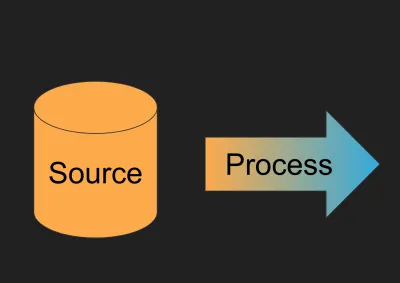
Learn about how to use the Migration API to massage and migrate source data into Drupal. A presentation by Kelvin Wong at DrupalSouth 2019.

Article
Learn about integrating personalisation in Drupal via Recombee. A presentation by Murray Woodman at DrupalSouth 2019.

Article
There are couple of online tools, and integration modules to get sharing widget to your site. They rely on JavaScript and the security of your users is questionable. This article will show you how to create a simple yet flexible and safer service sharing widget without line of JavaScript.

Article
Morpht Provision is an online application which allows Drupal developers to easily deploy servers to the cloud in a number of configurations including LAMP, LEMP, Solr and MySQL. The site acts as a front end to Puppet configurations, allowing configurations to be easily rolled out to servers in the cloud.

Article
The time it takes for a page to be delivered to a user is very important. The shorter the better. Sites which suffer long download times will typically have higher bounce rates and lower conversions than sites which are faster. Google has recognised the importance of a snappy site by rewarding faster sites with better search results rankings.

Article
There's a new Drupal agency on the block. We are proud to announce that Morpht is opening its doors for business.