

André Kakos & Matt Commons presented Unifying the UX pipeline at DrupalSouth Community Day, Canberra, 7 November 2025. They highlighted how their UX and UI workflows and processes are unified to deliver efficiencies through the discovery and design phases of a new site build.
Make the expensive decisions early, on evidence
Platform choices, such as GovCMS SaaS or PaaS, and content model decisions are costly to change mid-build. Discovery bases them on evidence, so your scope and cost rest on what we've learned, not on assumption.
Skipping it usually brings the same questions back later, at higher cost.
What you get:
- A shared definition of success. Stakeholders and the delivery team describe it the same way.
- A project roadmap. Priorities and requirements that reflect real user needs.
- Scope you can trust. A recommended approach, with enough detail to scope the build with confidence.
Our approach to discovery

Understand your goals
We work with key stakeholders to identify your overarching business goals and see where the project fits into your strategy and plans.
Assess where you are
We identify the strengths and weaknesses of the current state, using content and technical audits.

Learn from your users
We conduct user research to define personas and understand priority user needs and tasks.

Define the objectives
We agree the objectives of the project, so everyone can describe what success looks like.

Document what to deliver
We record the key deliverables and project requirements in a roadmap that guides design and build.
Frequently asked questions
Discovery uncovers business goals and user needs before design or development starts, through stakeholder interviews, user research, and content and technical audits. That way, scope, cost, and platform decisions, such as GovCMS SaaS or PaaS, rest on evidence rather than assumption. Skipping it tends to surface the same questions later, at higher cost, mid-build.
It depends on complexity. A straightforward content site may need a short, focused discovery, while a large transformation with multiple data sources and stakeholder groups can run considerably longer. The length is set by how many unknowns genuinely exist, not by a fixed template.
Typically a clear statement of user needs and business goals, a recommended approach covering platform, information architecture direction, and integration needs, and enough detail to scope the build with confidence. Discovery should reduce the risk of decisions that are expensive to get wrong later, particularly platform and content model choices.
Case studies
Case study
Morpht built the Australian Hydrographic Office's new GovCMS website on a condensed schedule, making charts, Notices to Mariners and tide tables easier to find.

Case study
Morpht delivered the Defence and Veterans' Services Commission website in six weeks for its launch, built to WCAG 2.2 AA with a reusable consultation webform.

Case study
Morpht rebuilt the Department of Defence's DATE website around user journeys, with a new Tactics Hub. Half of its traffic now comes from overseas partners.

Case study
Morpht built the Respect@Work website for the Australian Human Rights Commission, using privacy-safe personalisation to show employers and workers what applies.
Latest insights

Article
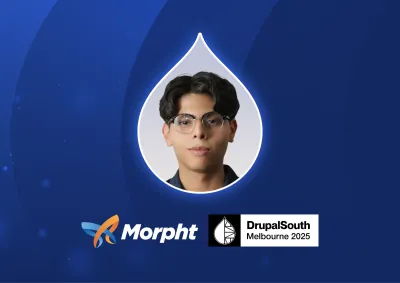
David Flores-Condezo presented at DrupalSouth Melbourne 2025. He touched on some beginner-friendly tips, tricks, and examples of how to tackle some problems that can come up when working as a project manager.

Article
Teams can work much more effectively together when taking a holistic view of a project and helping others to achieve their goals.
Article
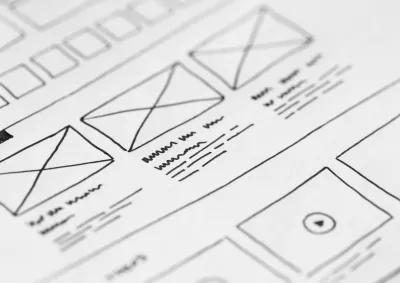
At Morpht we care about the user experience and adopt a proven UX design process. it all starts from a discovery process in which we chat with clients about their vision and expectations.