

Convivial for GovCMS has passed an independent accessibility audit against WCAG 2.2 Level AA. Accessibility consultancy IncluD tested 52 pages of the Convivial site and concluded that there were no open issues and no warnings.
Accessibility built in, not bolted on
Accessibility fails when it's left to one person at the end of a project. We treat it as a shared responsibility from the first workshop, so stakeholders, designers, developers, and editors each know their part.
Many of our clients are government agencies with the highest standards to meet. The PPSR website reached WCAG 2.1 AA and received a Statement of Accessibility from Vision Australia.
What you get:
- Compliance you can show. Sites built and tested to WCAG 2.1 AA, with evidence from automated and manual testing.
- Accessible components from the start. The design systems we use, and our Convivial for GovCMS starter site, are built with accessibility in mind.
- Content that stays accessible. Editors learn what helps and what breaks accessibility, so the work isn't undone after launch.
Our approach to accessibility

Start with accessible foundations
We work with design systems built accessibility-first, including Bootstrap 5 and the Australian Government Design System. Drupal supports this too, and its Accessibility Initiative keeps the platform to best practice.

Review designs before we build
We review every design and wireframe against accessibility guidelines before development starts, when a fix is still a small change.

Build components that are accessible first
We build components to be accessible from the start, then remediate any gaps we find. We keep refining our practices and components with each project.

Test with tools and by hand
We check sites with SiteImprove, Lighthouse, and WAVE, and test by keyboard to confirm people can reach and use everything without a mouse. We aim for near-perfect scores and remediate what we find. Many of our sites have also passed independent audits, including sites designed for people with disability.

Bring the whole team along
Stakeholders set the priority, designers and developers apply the guidelines, and editors keep content accessible after launch. Our accessibility training helps each group understand their role.
Frequently asked questions
Accessible websites are easier for everyone to use, not only people with disability. Clear structure, sufficient contrast, and predictable navigation reduce effort for all visitors. For government agencies, WCAG 2.1 AA is also a requirement under Australian standards, including AS EN 301 549, so accessibility is both a user-experience investment and a compliance requirement.
All three, and treating it as only one is the most common reason accessibility work fails. Designers need to design within accessibility guidelines from the start; developers need technically sound implementation under the hood; content editors need to avoid adding presentational formatting that undermines what designers and developers built. The organisations that get the best accessibility outcomes make it a shared responsibility from project inception rather than a remediation pass at the end.
WCAG 2.1 or 2.2 AA is the baseline most Australian government digital service standards require. AS EN 301 549 is the Australian Standard that defines accessibility requirements for government digital services, aligned with WCAG. We map our design system choices and testing to the standard: automated checks with SiteImprove, Lighthouse, and WAVE, plus manual keyboard testing.
Drupal has an Accessibility Initiative, and accessibility-first design systems such as the Australian Government Design System are built for it. That gives it a stronger foundation for AA compliance at scale. Drag-and-drop builders favour visual flexibility, and they often let an untrained editor break accessibility without knowing.
Yes. We offer accessibility assessments as a standalone service or as part of a broader site assessment.
Yes. For the PPSR website, we validated and fixed the issues found in an accessibility audit, including semantic HTML, form labelling, colour contrast, and keyboard navigation. The site now meets WCAG 2.1 AA.
Case studies

Case study
Morpht upgraded the AFSA and PPSR websites with new navigation, faster load times and WCAG 2.1 AA accessibility, winning two GovCMS Community Awards in 2025.

Case study
Morpht rebuilt the Australian Energy Regulator website on GovCMS, migrating 26,997 pages and 41,815 documents with no data loss, on schedule and on budget.
Case study
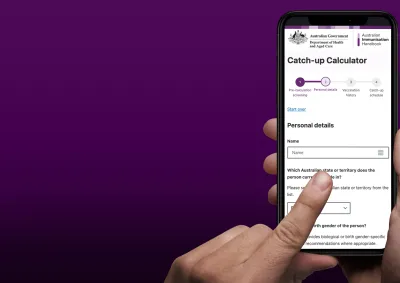
Morpht built the National Immunisation Catch-up Calculator, applying 80 rules across 75 vaccines and checked by 391 automated tests after every change.

Case study
Morpht redesigned the National Office for Child Safety website in under three weeks for a national campaign. Page views then rose 745% in three weeks.
Latest insights
Article
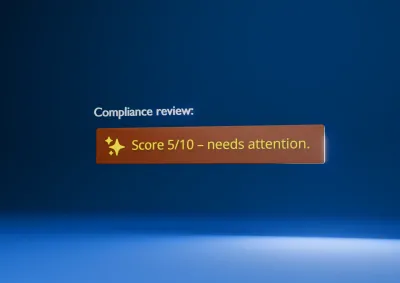
Your content writing guidelines can now grade your content. An AI agent scores every article from 1 to 10 against site governance and lists the exact fixes.
Article
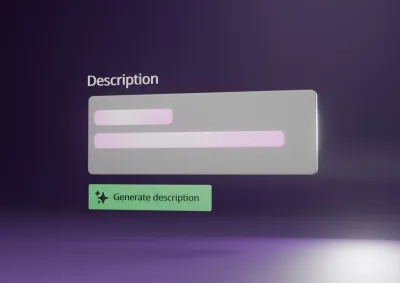
An exploration of how to set up Drupal AI automators to improve the editor experience when maintaining content.
Article
A review of the different ways dynamic PDFs can be generated in PHP and JavaScript. Each has its own set of pros and cons.